October is National Energy Awareness Month, a great time to think about how we use energy and explore opportunities to save energy, reduce waste and lower monthly bills.
As cooler temperatures arrive across our communities, many households are beginning to use their heating systems more often. Before the worst of the winter weather settles in, it’s a good idea to take a closer look at your home's energy use.
Luckily, improving energy efficiency doesn't always require major upgrades. A few simple adjustments can help increase comfort, reduce energy use and make a meaningful difference on your monthly energy bill.
Start with your thermostat
One of the easiest ways to save energy is to make sure your home's temperature matches your family's schedule. If everyone is away at work or school during the day, you can lower the thermostat several degrees while the house is empty and set it to warm up when everyone returns home.
A programmable or smart thermostat can make these adjustments automatically, helping you save energy without sacrificing comfort. Smart thermostats can also help you better understand your energy use and create schedules that fit your family’s daily routines.
If you're considering a thermostat upgrade, be sure to check to see if you’re eligible for rebates.
Give your heating system some attention
Before winter arrives, it's important to make sure your heating system is working as efficiently as possible.
Change your furnace filter
A clean furnace filter helps air move freely through your heating system. When the filter gets clogged, your heating equipment must work harder to keep your home warm.
Check filters monthly and replace them according to manufacturer recommendations, typically every one to three months.
Schedule seasonal maintenance
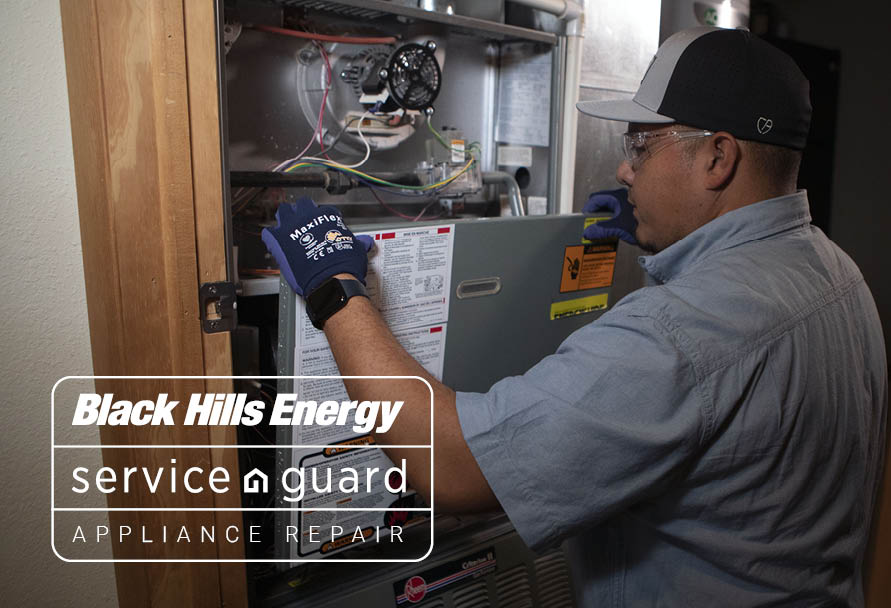
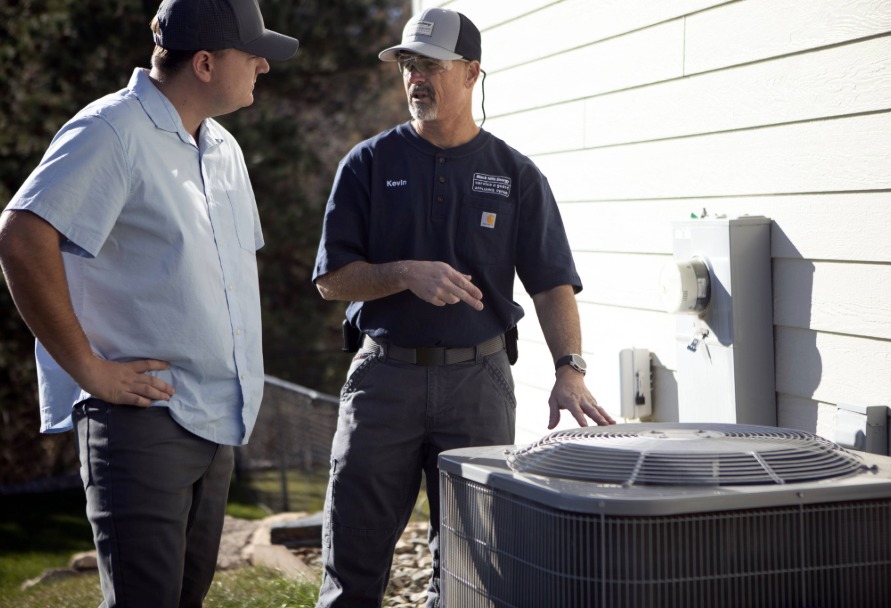
Fall is also a great time to schedule a heating system inspection with a qualified technician.
Regular maintenance can help:
- Improve efficiency
- Identify potential issues before they become costly repairs
- Extend equipment life
- Help maintain safe operation throughout the heating season
Preventive maintenance today can help prevent unexpected breakdowns when outside temperatures are at their coldest. Service Guard customers may be eligible for a furnace inspection from one of our appliance professionals. Don’t have a Service Guard appliance repair plan? Learn more about Service Guard and see if it’s right for you.
Seal drafts and stop energy loss
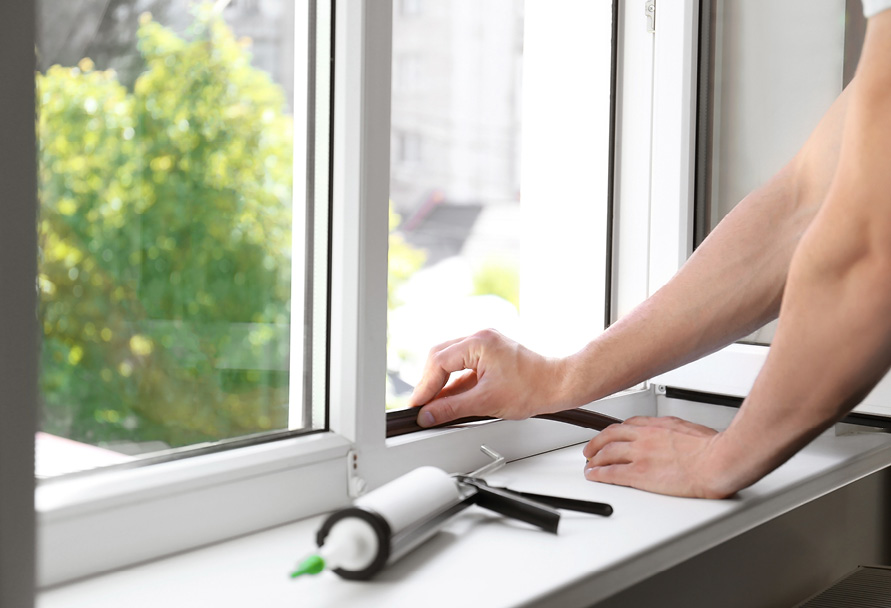
Small gaps and cracks around windows, doors and other openings can allow warm air to escape and cold air to enter.
Take a few minutes to inspect your home for:
- Drafty windows
- Gaps around exterior doors
- Openings around pipes and utility penetrations
- Areas where weatherstripping has worn out
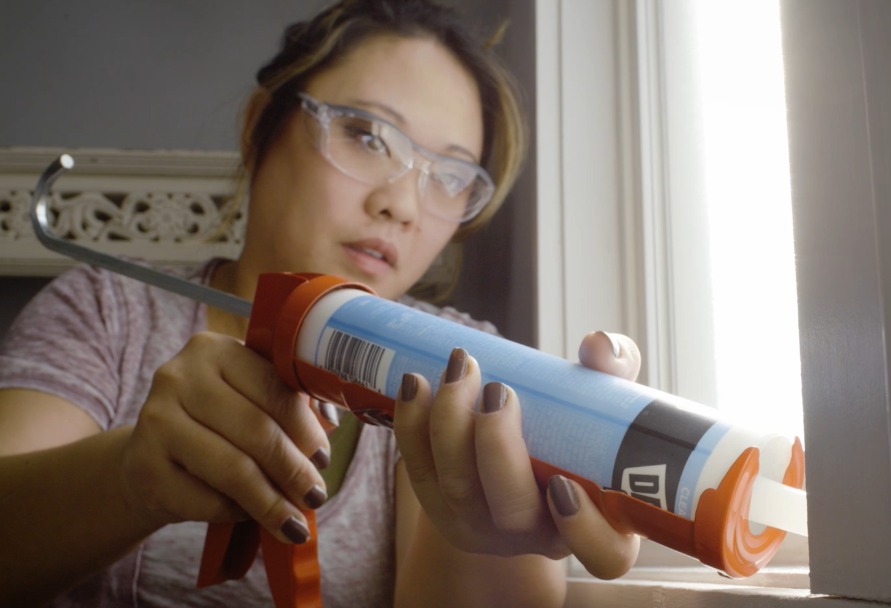
Weatherstripping and caulk are relatively inexpensive upgrades that can help keep conditioned air inside your home where it belongs.
These simple improvements can increase comfort while reducing the amount of energy needed to heat your home.
Make everyday chores more energy efficient
National Energy Awareness Month is also a good reminder to look at the small habits that can add up over time.
Run full loads
Whether you're washing clothes or running the dishwasher, wait until you have a full load whenever possible. This helps reduce the amount of water and energy used per cycle.
Skip the heated dry cycle
Many dishwashers include a heated drying option that uses additional energy.
Instead, open the dishwasher door after the wash cycle is complete and allow dishes to air dry. You can also hang your clothes to air dry — in the summer they can hang outside, and you can use drying racks inside in the winter.
Lower your water heater temperature
Water heating is one of the largest sources of energy use in many homes.
Setting your water heater to 120 degrees can help reduce energy consumption while still providing plenty of hot water for most households. You can also buy insulation made specifically for hot water heaters to help improve efficiency.
Upgrade your lighting
As daylight hours become shorter, lighting use often increases.
Replacing older incandescent bulbs with LED lighting is one of the simplest energy-saving upgrades available. LEDs use significantly less energy and typically last much longer than traditional bulbs.
Modern LED bulbs are much closer to incandescent light quality than early LED bulbs, and making the switch room by room can help reduce energy costs throughout the year.
Explore rebates, assessments and customer assistance programs
Energy Awareness Month is also a great time to learn about programs available through Black Hills Energy.
Depending on your location, customers may qualify for energy efficiency rebates or home energy assessments that can help identify opportunities to improve efficiency and prioritize upgrades that may have the greatest impact on comfort and energy savings.
Learn more about the rebates available in your area.

Need help managing your energy bill?
If you're experiencing financial challenges, assistance may be available. Our customer service team can help you explore options such as:
Call 888-890-5554 or visit our energy assistance page to learn more.
Managing energy all year long
Energy awareness isn't about making one big change; it's about finding simple ways to use energy a little more efficiently every day.
A thermostat adjustment, a new furnace filter, a little weatherstripping and a few changes to daily routines may seem small on their own, but together they can add up to meaningful savings and improved comfort throughout the heating season.